10 Common Suspension Myths That Cost Riders Grip and Confidence
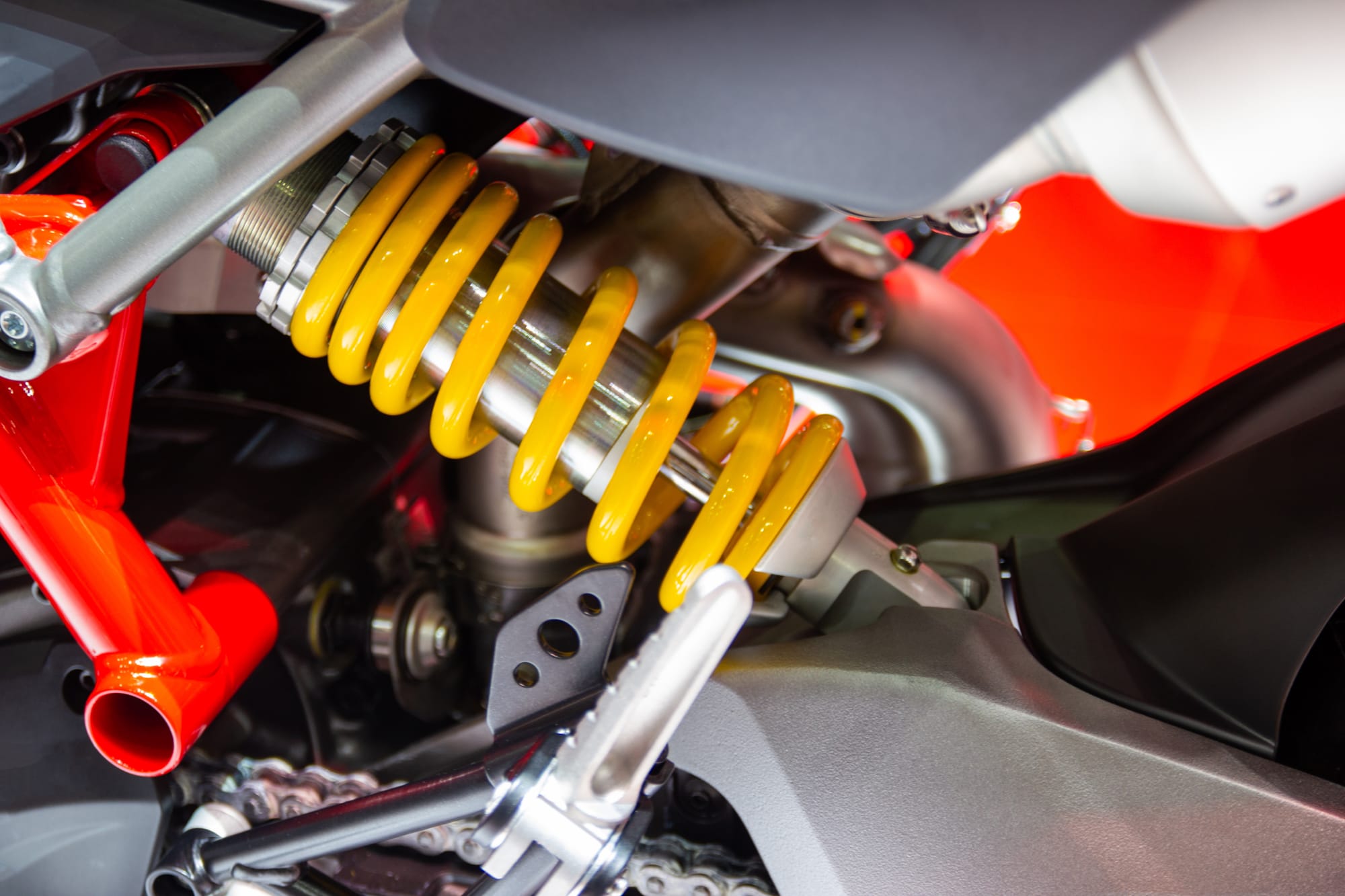
MENTEX SUSPENSION works with riders across the UK every week, and one pattern never changes. Most grip and confidence problems are not caused by a lack of talent. They are caused by simple suspension myths that keep riders guessing, chasing the wrong adjustments, and riding on worn out components.
Suspension is not magic, and it is not only for racers. It is a system that holds the tyre on the road, manages weight transfer, and keeps your geometry consistent so the bike steers predictably. When myths take over, you often end up with a bike that feels nervous in corners, vague on the brakes, harsh over bumps, or wallowy when you add throttle.
This article breaks down 10 common suspension myths that cost riders grip and confidence. Each myth includes what is really happening, what it costs you on the road, and what to do instead. The aim is practical progress, whether you ride a commuter, adventure bike, sports bike, classic, or track bike.
Myth 1, “Stiffer suspension always gives more grip.”
This myth usually starts with good intentions. A rider feels the bike dive on the brakes, squat on acceleration, or wobble over crests. They assume the suspension is too soft, so they add preload, fit a stronger spring, or crank up compression damping until the bike feels firm in the garage.
Grip does not come from stiffness. Grip comes from the tyre maintaining contact with the road surface while carrying a stable, usable load. When you make the suspension too stiff, the wheel cannot move quickly enough to follow bumps, ripples, and surface changes. Instead of the tyre conforming to the road, the bike skips and the contact patch unloads. That is lost grip, even if the bike feels “sporty” at low speed.
What it costs you:
Front end chatter and a vague feeling mid corner on rougher tarmac.
Reduced confidence to brake hard because the bike feels harsh, then suddenly light over bumps.
Rear tyre spinning or stepping out earlier on bumpy exits.
Fatigue, because your body ends up doing the suspension’s job.
- What to do instead:
Set spring rates and preload for correct sag first, so the bike rides in the intended part of its travel.
Use damping to control motion, not to hold the bike up.
Prioritise compliance. A tyre that stays planted builds confidence fast.
If you need support under braking or acceleration, address geometry and spring balance rather than simply “more stiff.”
- A good test is simple. Find a bumpy corner you know well. If the bike tracks smoother and feels calmer when you soften compression slightly, your previous setting was likely too stiff for that road and that tyre.
Myth 2, “Preload makes the springs stiffer.”
Preload is one of the most misunderstood adjustments. Turning preload in does not change the spring rate. The spring is still the same stiffness per millimetre of compression. What preload changes is the starting position of the suspension in its travel, and how much force is required before the suspension begins to move from rest.
That means preload is primarily a ride height and sag tool. If your bike sits too low in the front, it may steer slowly and push wide. If it sits too low in the rear, it can feel vague and reluctant to finish a turn. Conversely, too much preload can make the bike ride high and harsh, reducing comfort and traction because there is less available travel to absorb bumps.
What it costs you:
Chasing comfort with preload, then ending up with poor geometry and reduced stability.
Using preload to mask an incorrect spring rate, leading to a bike that feels wrong in different scenarios.
Inconsistent behaviour between solo riding, pillion, and luggage.
- What to do instead:
Measure static sag and rider sag. Use preload to put sag in a sensible window for your bike type and usage.
If you cannot achieve sensible sag without extreme preload, you likely need a different spring rate.
Set front and rear as a balanced pair. A bike that is correct at one end and wrong at the other still feels wrong.
- As a practical guideline, if you have to run the preload adjuster close to fully in or fully out to get near target sag, that is usually a sign you are compensating for the wrong spring rather than tuning.
Myth 3, “Damping is for comfort, springs are for handling.”
Springs and damping both affect comfort and handling, just in different ways. Springs hold the bike up and set how much force is needed for a given amount of movement. Damping controls the speed of that movement. If one is wrong, it distorts the job of the other.
Common example, a rider has soft springs that allow excessive dive. Instead of fitting correct springs, they add lots of compression damping to resist movement. The front might dive less, but it now struggles to absorb small bumps. The tyre loses contact on rough surfaces, which is the opposite of grip.
Another example, rebound damping set too high. The bike might feel planted for a moment, then start to feel harsher and harsher over a series of bumps. That is “packing down.” The suspension cannot extend quickly enough between impacts, so it rides lower and lower in the stroke until it has no travel left. It feels like the road got worse, but the setup caused it.
What it costs you:
A harsh ride that still feels unstable, because the underlying spring balance is wrong.
Tyre wear patterns that look mysterious, like scalloping, tearing, or a greasy feel.
Reduced trust in the front end during trail braking.
- What to do instead:
Think in order, springs and sag first, then damping.
Use compression damping to tune support and bump absorption, in small steps.
Use rebound damping to control return speed, so the tyre stays connected without packing down.
Change one thing at a time and test on the same piece of road.
- When you get the balance right, the bike feels both more comfortable and more controlled. Comfort and grip are closely linked because compliance keeps the contact patch working.
Myth 4, “If it is not leaking, it does not need servicing.”
Suspension oil is a working fluid. It shears, heats, aerates, and picks up wear particles. Seals age. Bushings wear. Shims and pistons get dirty. None of that requires an obvious leak to harm performance. In fact, many forks and shocks feel “fine” until you service them, then the rider realises how much control and compliance they had slowly lost.
Fork oil can be dark and contaminated long before you see any drips. A rear shock can lose damping as the oil degrades or the gas charge changes, even if it looks clean externally. Linkage bearings can seize or notch, making the rear suspension feel harsh and inconsistent.
What it costs you:
Less grip in wet or cold UK conditions because damping becomes inconsistent.
More brake dive or wallow, which you try to fix with clickers, then it only gets worse.
Premature wear of expensive parts, because dirty oil acts like grinding paste.
Sudden handling changes as internal wear reaches a tipping point.
- What to do instead:
Service on intervals, not on failure. Road bikes often benefit from fork oil changes more frequently than riders expect, especially in wet climates.
Inspect bushings, seals, and slider condition during service, not just oil.
Do not ignore the rear. A tired shock can make the whole bike feel nervous and vague.
Check linkage and swingarm bearings for smooth movement and correct lubrication.
- If your suspension adjustments no longer seem to make sense, or you find yourself turning clickers to extremes with little effect, that is often a servicing issue, not a tuning issue.
Myth 5, “Clickers are a universal fix, just add two clicks.”
It is tempting to treat suspension clickers like a volume knob. Too soft, click it in. Too hard, click it out. The problem is that clickers adjust flow through a specific circuit, at a specific part of the damping curve. On one shock, a click may be subtle. On another, it can be dramatic. Some adjusters interact with others. Some forks have a narrow effective range because the base setup is not right for the rider.
Also, damping needs context. The same setting can feel perfect on smooth tarmac and terrible on broken B roads. Temperature matters. Tyre choice matters. Load matters. If you “fix” one problem with clickers without understanding the symptom, you often create another problem somewhere else.
What it costs you:
A confusing loop of changes, where the bike feels different every ride.
Masking a mechanical issue, like worn bushings or incorrect oil height.
Losing a known baseline, so you cannot tell what improved or worsened.
- What to do instead:
Start from a known baseline, either manufacturer standard or a proven setup for your weight and riding style.
Write down settings before changes, including number of turns, clicks, and preload position.
Make one change at a time, then ride the same test loop at the same pace.
Use symptoms to guide which adjuster to change, for example harsh on sharp bumps often relates to compression, pogo or wallow often relates to rebound, but confirm with testing.
- A structured approach beats guesswork. If you want faster progress, focus on what the tyre is doing. Is it skipping, sliding, or loading smoothly and predictably? That answer points to the right adjustment path.
Myth 6, “Tyre pressure and tyres matter more than suspension, so focus there.”
Tyres and pressures absolutely matter. They are the final link to the road. But using tyres as a substitute for suspension setup is a trap. If suspension is not controlling the tyre load, the best tyre in the world cannot deliver its grip consistently. You may get a brief improvement by changing tyre model or dropping pressure, but the underlying issue remains and can show up as unpredictable slides, vague steering, or odd wear.
Suspension and tyres are a system. Pressure influences carcass stiffness and how quickly the tyre responds. Suspension influences how evenly the tyre is loaded and whether it stays in contact on imperfect surfaces. If the suspension is too stiff, you may reduce pressure to gain compliance, but then the tyre can overheat or feel vague. If rebound is too slow, the tyre can be overloaded, then underloaded, leading to a slippery feel that riders sometimes blame on the tyre compound.
What it costs you:
Wasting money on tyre swaps when a service or setup would have solved the issue.
Inconsistent grip, especially on mixed quality UK roads.
Tyre wear that shortens life, like tearing on the rear or cupping on the front.
- What to do instead:
Set tyre pressures appropriate to your tyre, load, and usage, then tune suspension to keep the tyre working.
Look at wear patterns as feedback. Smooth wear suggests stable loading. Choppy or torn wear suggests control issues.
If a pressure change “fixes” the handling, treat it as a clue. Ask why the bike needed that crutch.
- When tyre pressures and suspension are aligned, grip feels boring in the best way. The bike simply does what you ask, even when the surface is not perfect.
Myth 7, “Stock suspension is always bad, upgrades are mandatory.”
Stock suspension varies widely. Some bikes have excellent components that simply need correct springs and setup for the rider. Other bikes are under sprung, under damped, or built to a price. The myth is believing that the only path to confidence is expensive parts, regardless of the starting point.
Upgrades can be transformative, but only if you know what problem you are solving. A high end shock cannot compensate for incorrect sag or a neglected fork service. Likewise, a revalve may be unnecessary if the real issue is worn oil, sticky bushings, or a mismatched spring.
What it costs you:
Spending money on parts without solving the core handling problem.
Ending up with “better” components that are still incorrectly set for your weight and riding.
Ignoring basic maintenance, then blaming the bike’s design.
- What to do instead:
Start with a proper assessment, service condition, sag numbers, and current settings.
Upgrade in a targeted way, for example springs for correct rates, cartridges for improved damping control, or a shock with appropriate adjustment range and valving.
Choose upgrades based on how you ride, road, touring, spirited weekend rides, track, or a mix.
Confirm gains with a repeatable test route and, if possible, tyre wear feedback.
- Many riders are surprised how good a “standard” bike feels after correct servicing and setup. Upgrades then become a choice for extra performance, not a desperate attempt to fix basic stability.
Myth 8, “You should set suspension once and never touch it.”
A single setup can be a good compromise, but conditions change. Rider weight changes with gear, luggage, pillion, and fuel. UK road surfaces vary from smooth A roads to broken rural lanes. Weather changes the tyre’s operating window. Even your pace changes across seasons.
Suspension is adjustable because it has to be adaptable. The myth is that adjustments are too complex for everyday riding. In reality, small, sensible changes can maintain confidence. For example, adding preload when you carry luggage restores ride height and steering. Reducing rebound slightly in colder weather can help the suspension respond better if oil viscosity feels thicker. The key is to avoid random fiddling, and instead make purposeful changes from a baseline.
What it costs you:
A good solo setup that becomes unstable or vague when touring with luggage.
Front end that feels great in summer but harsh and skittish in winter.
Reduced enjoyment because the bike feels “off” and you do not know why.
- What to do instead:
Keep a baseline note for solo riding and another for loaded riding, including preload positions and clicker counts.
Make the easiest adjustment first, rear preload for load changes.
Use small changes, one or two clicks at a time, and always record them.
Recheck sag occasionally, especially if you change tyres, add accessories, or your typical kit changes.
- The goal is not constant tinkering. The goal is confidence that you can restore the bike’s balance when your real world variables change.
Myth 9, “If the bike turns quickly, the suspension must be good.”
Fast steering can feel impressive, but it is not the same as good suspension. A bike can be quick to turn because it is riding too low in the rear, too high in the front, or has insufficient trail. It can also be quick to turn because the front is diving excessively, steepening the head angle. That might feel agile at low speed, then become unstable on the brakes, nervous mid corner, or prone to running wide when you add throttle.
Correct suspension makes steering predictable. It should initiate a turn without effort, hold a line without constant correction, and finish the corner calmly when you add throttle. If you find yourself making tiny steering corrections mid corner, or if the bike wants to stand up when you brake lightly, those are often geometry and support problems, not rider error.
What it costs you:
Confidence loss at higher speeds because quick steering becomes twitchiness.
Wider corner exits because the bike does not hold its line under power.
Front end fear, especially when trail braking on uneven surfaces.
- What to do instead:
Prioritise balance. Front and rear ride heights should work together.
Ensure the forks are not diving excessively, and the shock is not squatting excessively, before you judge steering feel.
Evaluate line holding, not just turn in speed. Predictability is grip you can use.
If you changed rear ride height, linkage, or fork position in the yokes, re-evaluate damping and sag, because geometry changes alter weight transfer.
- Quick steering is only valuable when it is paired with stability. The best setups feel calm and accurate, not dramatic.
Myth 10, “Suspension problems always feel like suspension problems.”
Many riders chase suspension settings when the real issue is elsewhere, and many riders blame tyres or brakes when the real issue is suspension. The symptoms overlap. For example, a notchy head bearing can feel like vague front grip. A worn rear tyre can feel like poor shock rebound. A dragging brake can mimic harshness. A kinked chain or seized linkage bearing can create a strange squat or kick that seems like damping trouble.
The myth is that you can diagnose everything from a single sensation, like “it feels harsh.” Harshness can come from too much compression damping, too much preload, spring rates too high, low tyre pressure causing the tyre to deform unpredictably, stiction from worn bushings, incorrect oil height, or even misalignment. That is why professional diagnosis starts with a mechanical check, then baseline settings, then controlled testing.
What it costs you:
Endless adjustment chasing, because the root cause is a worn part or maintenance issue.
Reduced safety, because a mechanical fault can worsen quickly.
Loss of trust in the bike, which reduces your margin on the road.
- What to do instead:
Start with a basic health check, tyres, pressures, wheel bearings, head bearings, brake drag, linkage bearings, chain condition, and alignment.
Inspect forks for stiction, smooth travel, and consistent rebound. Inspect shock for free movement and consistent damping feel.
Return clickers to baseline if you are lost, then test methodically.
If symptoms persist, consider a suspension service, internal wear can mimic many other problems.
- Confidence comes from a system that is healthy and tuned. When you separate mechanical condition from adjustment choices, solutions become clear and repeatable.
A practical anti myth checklist you can use this week
Record your baseline. Note preload position, clicks, tyre pressures, and your typical load.
Check sag. If sag is far from sensible, fix that first. It is the foundation of grip and steering.
Service condition matters. If the bike is years into old oil, your clickers are not tuning a stable platform.
Chase compliance on rough roads. If the tyre is skipping, the suspension is not following the surface.
Use tyre wear as feedback. Uneven, torn, or cupped wear often signals control issues.
Make small changes. One adjustment at a time, then retest the same route.
Why these myths matter for UK riding
UK roads can change grip and surface quality quickly, even within a single ride. A setup that only works on smooth tarmac can feel terrifying on patched, rippled, or wet sections. The best real world suspension setup is not the one that feels hardest in the car park. It is the one that keeps the tyres loaded smoothly and predictably when the surface is imperfect.
When to ask for help
If you are stuck in the cycle of turning clickers with no clear improvement, if your suspension has not been serviced in a long time, or if you want a targeted upgrade that matches your weight and riding goals, a professional setup and service saves time, money, and tyres. At MENTEX SUSPENSION, we focus on motorcycle suspension servicing, repair, and upgrades, with practical results that improve grip and confidence on the roads riders actually use across the UK.
Bottom line
Suspension myths cost grip because they push riders toward extremes, either too stiff, too soft, or too worn to control the tyre. Replace myths with a simple process, ensure mechanical health, set sag, then tune damping with intention. The reward is a bike that feels calmer, brakes harder with control, holds a line on rough surfaces, and gives you the confidence to ride smoothly and safely.