Top 10 Signs Your Motorcycle Suspension Needs Servicing
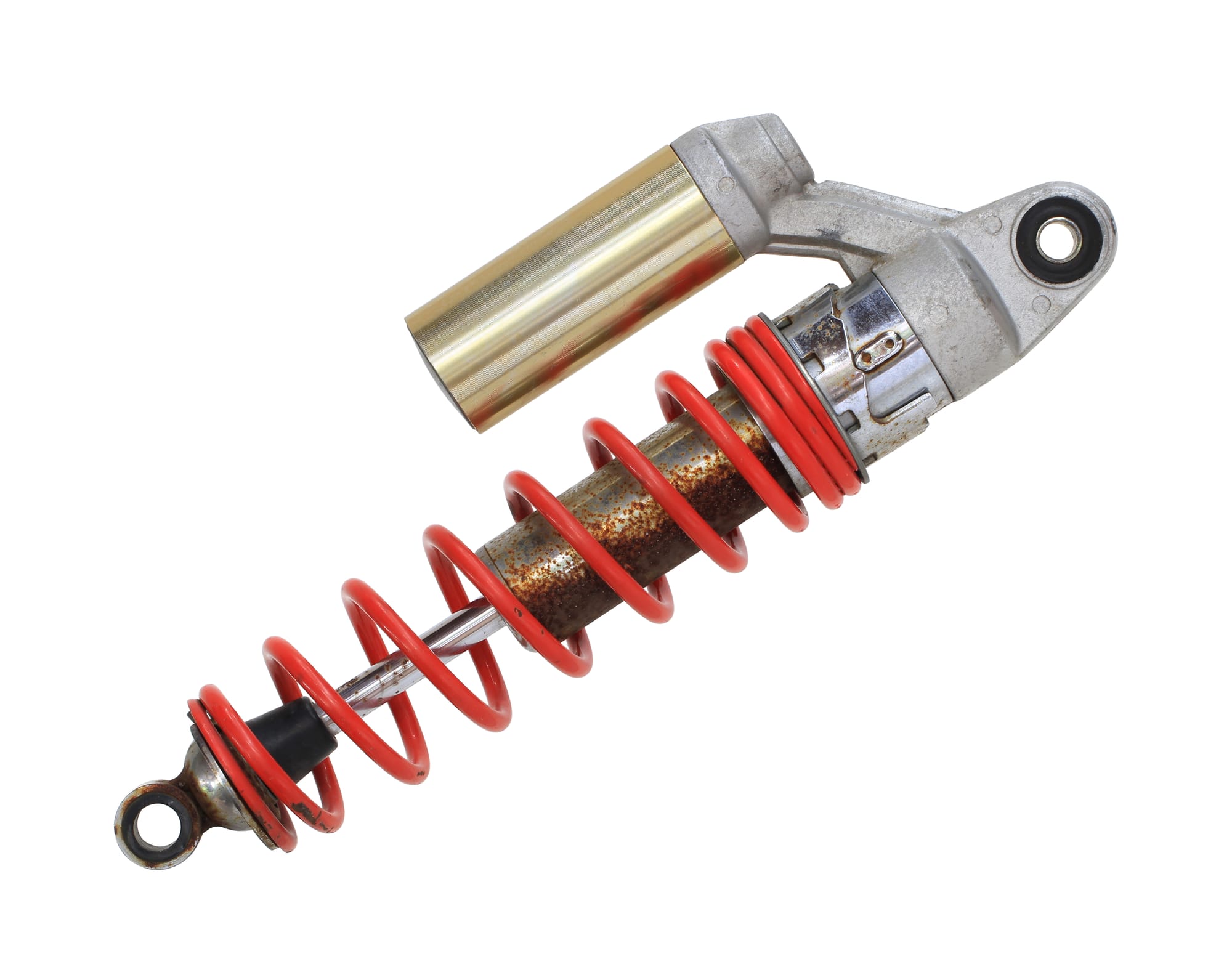
Motorcycle suspension does far more than keep you comfortable. It controls tyre contact, braking stability, cornering confidence, and how predictable your bike feels when the road surface is less than perfect. Because suspension wear often happens gradually, many riders adapt their riding style without realising performance and safety margins are shrinking.
MENTEX SUSPENSION has years of experience serving riders across the UK, and one of the most common questions we hear is, “How do I know when my suspension needs servicing?” This guide answers that with clear, real world symptoms you can look for on the road and in the garage.
Below are the top 10 signs your motorcycle suspension needs servicing. For each sign, you will find what it feels like, the likely causes, simple checks you can do at home, and what a proper service typically addresses. If several signs apply to your bike, do not assume it is “just how it rides.” Suspension can often be restored to a crisp, controlled feel with the right maintenance.
Before you start, a quick note on safety
If your bike is unstable under braking, wallows in corners, leaks oil onto the tyres, or bottoms out hard, reduce speed and avoid aggressive riding until it is inspected. Suspension problems can quickly become tyre grip problems.
1. Excessive bouncing after bumps, or a pogo stick feeling
One of the clearest warning signs is a bike that keeps bouncing after it hits a bump, ridge, or pothole. A well set up and healthy suspension should absorb the impact, then settle quickly. If it continues to oscillate, damping is not doing its job.
What it feels like on the road
- The bike bounces two, three, or more times after a bump.
- On undulating roads it feels as if the wheels are skipping across the surface.
- In corners you feel repeated up and down motion that makes it hard to hold a line.
- The bike feels nervous at speed because it does not settle.
Common causes
- Fork oil has broken down, thinned, or become contaminated, reducing damping control.
- Shock oil has degraded, or the shock internal seals are worn.
- Gas pressure in a gas charged shock has reduced over time.
- Incorrect damping adjuster settings, often after previous owner changes.
- Worn linkage bearings that let the rear end move unpredictably.
Simple checks you can do
- Front: hold the front brake and push down hard on the bars, then release. The fork should compress and return smoothly, without multiple rebounds.
- Rear: press down on the seat or rear subframe. The rear should return in a controlled way, not bounce repeatedly.
- Check your adjusters: count clicks from fully closed and compare to the manufacturer baseline, if you have it.
What servicing usually fixes
A fork service replaces fork oil and seals if needed, and restores the correct oil level, viscosity, and clean internals. A shock service, if your shock is serviceable, refreshes oil, seals, and gas pressure. The difference is often dramatic: the bike stops “pogoing” and starts tracking bumps with control.
2. Harsh ride, jolts, or a wooden feel over small bumps
Some riders assume harshness means the suspension is “stiff.” Often it is the opposite, damping is not flowing correctly, or stiction is preventing smooth movement. Suspension that cannot move freely will transmit impacts into your hands, wrists, shoulders, and lower back.
What it feels like
- Sharp jolts over small bumps like cats eyes, broken tarmac, or expansion joints.
- Front end chatters in corners even on decent surfaces.
- Rear end kicks you out of the seat over ripples.
- You feel fatigue earlier on rides that used to be comfortable.
Likely causes
- Old fork oil with degraded additives, causing inconsistent damping.
- Contamination in fork internals, causing valves to stick.
- Fork seals swelling, or bushings worn, increasing friction and stiction.
- Shock linkage bearings seized or dry, restricting rear movement.
- Over tightened steering head bearings that add friction and mask compliance.
- Too much compression damping, or preload set too high for the rider weight.
Home checks
- Wipe the fork stanchions clean, then compress the fork. It should move smoothly without “notches.”
- Lift the rear slightly and move the swingarm through its travel, if safe to do so. Any binding suggests linkage or swingarm bearing issues.
- Check sag settings, too little sag often creates harshness because the suspension rides too high in its stroke.
What a professional service targets
Servicing addresses oil condition, wear components, and friction points. On forks, fresh oil, correct bushing condition, and proper assembly reduce stiction. On the rear, cleaning and greasing linkage bearings can transform compliance. If harshness persists even with correct settings, a revalve or spring change may be the right upgrade.
3. Excessive fork dive under braking
Fork dive is normal, and it helps transfer load to the front tyre for braking. The problem is when it happens too fast, too far, or inconsistently. Excessive dive reduces ground clearance, upsets chassis geometry, and can make braking feel vague or unstable.
What you will notice
- The front end drops quickly with light brake pressure.
- The bike feels as if it wants to pitch forward, especially at low speeds.
- You struggle to brake smoothly because the fork movement changes lever feel.
- Mid corner braking becomes unsettling because the geometry steepens too much.
Potential causes
- Fork springs are tired, too soft, or not matched to your weight and riding style.
- Fork oil is old, so compression damping is reduced.
- Oil level is incorrect, often after poor previous maintenance.
- Internal wear in damping components, reducing control.
- Preload is set too low, causing excessive static and rider sag.
Quick checks
- Measure rider sag at the front, compare to typical targets for your bike type. If the front collapses deeply just with you sitting on it, it may be under sprung.
- Inspect fork caps and adjusters, confirm they have not been backed out fully.
- Look for oil leakage, leaks can reduce effective damping and contribute to dive.
What servicing and setup can do
A proper service restores damping with fresh oil and correct oil height, then setup ensures spring preload is appropriate. If springs are wrong for you, replacing them is often the most cost effective improvement, especially if you carry luggage or ride two up.
4. Bottoming out, clunking, or using full travel too easily
Bottoming out means the suspension has reached the end of its travel, often with a noticeable clunk. Occasional gentle bottoming on a big hit can happen, but frequent bottoming indicates the suspension is not supporting the bike properly or the damping is not controlling movement.
Typical symptoms
- A clunk from the front over potholes or speed bumps.
- Rear shock feels like it hits a hard stop on dips.
- Ground clearance issues, pegs or exhaust scrape earlier than before.
- Unstable feel after hitting a bump, because the suspension cannot absorb more energy.
Common causes
- Springs too soft for rider weight, passenger, or luggage.
- Oil and damping worn out, allowing uncontrolled compression.
- Incorrect sag, too much sag leaves little remaining travel.
- Bump stop deteriorated on the shock.
- Fork oil level too low, reducing air spring effect near end of travel.
Simple checks
- Front: use a small zip tie on a fork leg, go for a careful ride, then see how close it is to the bottom of travel. If it is always at the bottom, the fork is using full travel too easily.
- Rear: look for witness marks on the shock shaft, or consult your shock design. Some have an indicator ring.
- Check preload and sag, if sag is excessive, address that before chasing damping.
How a service helps
Servicing restores control and can correct oil level and damping performance. If bottoming is due to spring rate, changing springs is the correct fix. If your riding has changed, for example more touring, commuting on rough roads, or carrying a pillion, your suspension setup may need to change too.
5. Wallowing, weaving, or a vague “floating” sensation in corners
Wallowing feels like the bike is moving in slow motion, as if the chassis is gently swaying or taking a moment to settle. It often appears in long sweeping bends, fast direction changes, or when accelerating out of corners. This is not just an annoyance, it can be a sign that damping is too weak, components are worn, or geometry is being altered by incorrect ride height.
What you might experience
- The bike does not hold a consistent line, you keep correcting.
- After a mid corner bump, the bike takes time to recover.
- At speed it feels less planted than it used to.
- In transitions, it feels delayed, then suddenly tips in.
Likely causes
- Rear shock damping fade, common when oil is old or the shock is overheating.
- Fork oil breakdown, causing inconsistent damping through the ride.
- Worn shock linkage bearings or swingarm pivot bearings.
- Incorrect tyre pressures or badly worn tyres, which can mimic suspension issues.
- Incorrect sag causing geometry changes that reduce stability.
Checks to narrow it down
- Start with tyres: confirm pressures are correct and tyres are not squared off or cupped.
- Check rear linkage play: with the bike safely supported, feel for any movement or knocking in the linkage.
- Note whether it worsens as the ride goes on, that often points to damping fade in the shock.
What a suspension specialist will look at
A specialist will evaluate sag, damping behaviour, and mechanical play. If the shock is tired, servicing can restore damping stability, or an upgrade may be recommended for riders who regularly carry load, ride briskly, or want more adjustability. In many cases, simply restoring oil condition and correct setup brings back that planted feeling.
6. Front end chatter, skittering, or loss of grip feel on rough surfaces
Chatter is a rapid vibration or judder, often at the front, that appears on bumpy corners, braking zones, or poor surfaces. It can be caused by tyres, braking components, steering bearings, and suspension. When suspension is the culprit, the tyre is struggling to maintain consistent contact with the road.
How it shows up
- Bars feel like they are buzzing or shaking over ripples.
- The front tyre feels like it is “skimming” instead of biting.
- Braking on bumpy roads becomes unpleasant and less controlled.
- Corner entry feels nervous, particularly on cold tyres or damp roads.
Common suspension related reasons
- Fork oil is old, so damping response is inconsistent.
- Compression damping is too firm, preventing the fork from absorbing small bumps.
- Rebound damping is too slow, so the fork cannot extend quickly enough between bumps.
- Stiction from worn bushings or dirty fork internals.
What to check at home
- Confirm the forks are aligned correctly, and the axle pinch bolts are torqued to spec. Misalignment can increase stiction.
- Check steering head bearings for notchiness or tight spots by gently turning the bars with the front wheel off the ground.
- Return adjusters to standard settings and test again, if you have been experimenting.
What servicing can change
Fresh oil and restored internal condition can greatly improve how the fork reacts to small bumps, and correct damping settings can reduce chatter. If your riding is mostly UK back roads, compliance matters. A bike that tracks ripples with calm control is often faster and safer than one that feels “stiff.”
7. Uneven tyre wear, cupping, scalloping, or rapid wear after a change
Tyres tell the truth about suspension. While tyre brand, compound, pressure, and road surface all influence wear, suspension that is not controlling the tyre can create distinctive patterns such as cupping on the front or scalloping. If you notice unusual wear patterns appearing sooner than expected, suspension servicing should be part of your investigation.
Wear patterns that raise suspicion
- Front tyre cupping or scalloping, especially on the edges of tread blocks.
- Rear tyre shows uneven wear across the profile, despite correct pressure.
- Tyres wear faster than your usual mileage without a change in riding.
- A new tyre feels worse than the worn one you replaced, indicating underlying chassis issues.
Suspension causes of tyre wear
- Too little rebound damping, tyre bounces and scrubs.
- Too much rebound damping, tyre cannot recover and skates across bumps.
- Worn fork internals, causing inconsistent damping left to right.
- Rear shock damping fade, especially under load.
- Incorrect sag and geometry, altering how the tyre contacts the road.
Checks you can do
- Record tyre pressures cold, and check them regularly for a week, rule out slow punctures or pressure loss.
- Inspect tread with your hand, feel for high and low spots that indicate cupping.
- Check wheel balance and bearings, since vibration can worsen wear patterns.
How servicing helps
When suspension is controlled and properly set, tyres wear more evenly and predictably. A suspension service can often pay for itself by extending tyre life and improving confidence, especially on wet UK roads where consistent contact patch matters.
8. Oil leaks, dampness, or grime build up on fork legs or shock body
Visible fluid is one of the most direct indicators that suspension needs attention. Fork seals can weep slightly at times, but persistent oil on the fork legs is a problem. Oil leakage reduces damping performance and can contaminate brake components. A leaking shock can also lose damping quickly and become unsafe under load.
What to look for
- Oil ring on the fork stanchion after a ride.
- Wetness at the dust seal, or oil gathering near the lower fork leg.
- Fork legs coated in sticky grime, oil attracts dirt.
- Shock body damp with oil, or oily residue near the shaft seal.
Common reasons seals leak
- Normal seal wear over time, especially in all weather commuting.
- Dirt trapped under the seal lip, often after riding through grit or winter salt.
- Pitted fork stanchions damaging seals.
- Worn bushings that allow the stanchion to rock and stress the seal.
- Incorrect installation during a previous seal replacement.
Immediate actions
- Clean the fork leg and check again after a short ride. If oil returns, book a service.
- If oil is near brake calipers or discs, avoid riding until it is cleaned and repaired.
- Inspect stanchions for damage. A small pit can repeatedly tear new seals if not addressed.
What a proper repair includes
Replacing seals without addressing underlying causes can lead to repeat leaks. A good service inspects bushings, stanchion condition, alignment, and correct oil level. At MENTEX SUSPENSION we focus on the whole system, not just the symptom, because long term reliability matters.
9. Suspension feels inconsistent, great at first then worse as the ride goes on
Inconsistent behaviour is a key sign of oil breakdown, heat related fade, or internal wear. You might set off with a bike that feels fine, then after 30 to 60 minutes the ride becomes floaty, harsh, or uncontrolled. This can be subtle at first and then become obvious on longer rides, spirited road riding, or track days.
Examples of inconsistency
- The rear feels controlled early on, then starts to wallow later.
- The fork feels plush at first, then becomes harsh and chatters.
- Damping adjusters seem to make little difference, or the effect changes ride to ride.
- Performance changes with weather and temperature more than expected.
Why this happens
- Oil viscosity changes with heat, and old oil is more prone to thinning and aeration.
- Internal wear generates debris that disrupts valve behaviour.
- Gas pressure loss in a shock reduces cavitation resistance, leading to fade.
- Moisture contamination in fork oil can alter damping characteristics.
Checks and observations
- Note when the issue appears, time, mileage, and road type. This information helps a technician diagnose.
- After a ride, carefully feel if the shock reservoir area is very hot, heat is normal but excessive heat can indicate the shock is working hard with poor control.
- Check for any external leaks, which can accelerate fade.
How servicing restores consistency
Fresh fluid, correct gas pressure, and good seals help the suspension behave predictably across a range of conditions. Riders often describe the result as “confidence,” because the bike responds the same way corner after corner, ride after ride.
10. You cannot set sag correctly, or adjusters no longer seem to work
Adjusters exist because manufacturers expect riders to tune suspension for weight, load, and preference. If you find that you cannot get sag into a sensible range, or the clickers feel ineffective, something may be worn, mismatched, or internally damaged.
Signs adjustability is compromised
- Even with preload near maximum, the bike still sits too low with you on it.
- Even with preload backed off, the bike sits too high and feels harsh.
- Turning compression or rebound adjusters makes almost no difference.
- Adjusters feel gritty, seized, or have irregular clicks.
- The bike responds opposite to what you expect, for example more rebound makes it feel bouncier because the shock is not functioning properly.
Common underlying issues
- Springs are incorrect for your weight and usage, common after buying used bikes.
- Fork oil is so degraded that damping circuits cannot respond properly.
- Shock internals are worn, or the shock is not serviceable and has reached end of life.
- Previous owner has modified settings to mask a problem, leading to extremes.
- Adjuster needles and seats are damaged or contaminated.
Practical checks
- Measure static sag and rider sag front and rear. If numbers are far outside typical targets, address springs or preload first.
- Count clicks from fully closed to fully open for each adjuster. If an adjuster has an unusually small range, it may be damaged.
- Check your owner manual for baseline settings, and return the bike to baseline for testing.
What servicing and correct setup achieves
Once internals are healthy and springs are appropriate, adjusters become meaningful again. This is when fine tuning actually works, small changes create predictable improvements, and you can tailor your bike for commuting, weekend rides, touring, or track use.
Additional clues that point to suspension servicing
The top 10 signs above cover most rider complaints, but there are a few more indicators that often appear alongside them. If you see several of these, it strengthens the case for a suspension inspection.
- Knocking noises from the front or rear over bumps, can indicate worn bushings, loose top out springs, or linkage play.
- Bike sits lower than it used to without you changing load, which can indicate spring fatigue or loss of shock gas pressure.
- Rusty or dirty shock shaft, contamination damages seals and can cause leaks and rapid wear.
- Aftermarket modifications with unknown history, such as lowering links, different fork internals, or a used shock, often need setup and servicing to work properly.
- Long intervals since last service, many road bikes benefit from periodic fork oil changes and shock inspections even if no obvious symptoms are present.
Why suspension servicing is often overdue, even on low mileage bikes
Mileage matters, but time matters too. Oil degrades with heat cycles and contamination. Seals age. Grease in linkage bearings dries out. A bike used for short trips in wet UK conditions can accumulate water and grit exposure even with modest mileage.
Common scenarios where suspension is overdue include:
- Bikes that have sat unused for months, seals can dry and oil can separate or absorb moisture.
- Commuters ridden year round, grit and salt accelerate seal and bushing wear.
- Adventure and dual sport bikes used off road, contamination and frequent high stroke movement stress seals and bushings.
- Sport bikes used for spirited riding, track days, or aggressive braking, which heats oil and reveals fade.
What a motorcycle suspension service typically includes
If you have never had suspension serviced, it helps to know what “servicing” actually means. Exact tasks vary by model and component design, but a professional service commonly includes the following.
Fork service often includes
- Disassembly, cleaning, and inspection of internal components.
- Replacement of fork oil with the correct grade and quantity.
- Replacement of oil seals and dust seals where needed.
- Inspection and replacement of bushings if worn.
- Inspection of stanchions for pitting and bends.
- Correct reassembly, torque, and alignment to reduce stiction.
- Optional setup changes, such as oil height adjustments, spring changes, or valve upgrades.
Rear shock service often includes, where serviceable
- Disassembly, cleaning, and inspection of piston, shim stack, and seals.
- Fresh shock oil and correct bleeding to remove air.
- Recharge with correct gas pressure.
- Replacement of worn seals, and inspection of the shaft for wear.
- Performance setup for rider weight, typical load, and riding style.
Linkage and bearings often include
- Checking shock linkage bearings and seals.
- Cleaning and greasing, or replacing bearings if worn or corroded.
- Checking swingarm bearings for play.
Setup and test ride feedback
Servicing is most effective when paired with setup. Sag measurement, spring selection, and adjuster tuning ensure you actually benefit from the refreshed components. The goal is not to make the bike “hard,” it is to make it controlled, predictable, and matched to you.
How to do a basic suspension health check at home
You do not need special tools to spot many problems early. Use these quick checks as part of routine maintenance.
Visual inspection
- Check fork legs for oil, dirt rings, and damage.
- Look at the rear shock for leaks.
- Check for corrosion around linkage bolts and bearings.
- Inspect tyres for abnormal wear patterns.
Feel and function checks
- Test front and rear bounce for smooth movement and controlled return.
- Listen for clunks or knocks when compressing.
- Check for play in the rear linkage by gently lifting and pushing at the rear wheel, with the bike safely supported.
- Check steering head bearings for notchiness, if you can safely lift the front end.
Riding notes
- Pay attention to changes over time, not just one ride.
- Notice if problems appear only when loaded with luggage or a passenger.
- Note whether performance changes as components heat up.
How often should you service motorcycle suspension?
There is no single number that fits every rider, but there are practical guidelines. Fork oil does not last forever, and rear shocks, especially non serviceable units, have a finite performance life.
General guidance many UK riders follow
- Fork oil service at regular intervals, especially if you ride in all weather, ride hard, or notice changes in feel.
- Shock inspection and service based on performance symptoms, time, and usage, and sooner if you ride with heavy loads or do track days.
- Linkage bearing service periodically, particularly for adventure bikes, off road use, and winter commuting.
The most reliable approach is to combine time based maintenance with symptom based checks. If the bike is telling you something has changed, it probably has.
When to consider upgrades, not just servicing
Sometimes your suspension is functioning as designed, but the design is not matched to your needs. Many standard setups are built to satisfy cost, average rider weight, and broad comfort goals. If you consistently ride outside that “average,” upgrades can be transformative.
Good reasons to upgrade
- You carry a passenger or luggage regularly, and preload is near maximum.
- You are significantly lighter or heavier than the assumed rider weight.
- You ride enthusiastically on twisty roads and want more support and feedback.
- You do track days and need consistent damping at higher temperatures.
- You want adjustability that your stock components do not provide.
Common upgrades
- Correct rate fork springs and shock spring for your weight and load.
- Fork cartridge kits or valving improvements for better damping control.
- Quality aftermarket rear shock with serviceability and proper adjusters.
- Linkage servicing and geometry adjustments to optimise ride height.
Putting it all together, a quick decision guide
If you are unsure whether to book a service, use this simple approach.
- If you have any oil leak on forks or shock, book an inspection and repair.
- If you have bouncing, wallowing, or harshness that you cannot tune out with sensible clicker changes, plan a service.
- If you have repeated bottoming out or instability under braking, reduce riding intensity and get it checked soon.
- If your bike is used, and you do not know the suspension history, a baseline service and setup is often one of the best value improvements.
Conclusion
Suspension problems rarely appear overnight. They build slowly through oil breakdown, seal wear, bushing wear, and changes in setup as your riding evolves. The good news is that most of the time, a professional service restores the control and comfort you have been missing, and it can improve safety by keeping tyres planted and predictable.
If you recognise one or more of these signs, MENTEX SUSPENSION is here to help. With years of experience serving riders across the UK, we specialise in motorcycle suspension servicing, repair, and upgrades, so you can get back to a bike that feels stable, confidence inspiring, and enjoyable on every ride.